Mariia has contributed with insights from her research on Russian fishing vessels grey zone activity and its coercive signaling rational to The Telegraph landmark investigation into suspicious patterns in the activities of Russian fishing vessels in UK waters.
The threat Russia and its proxies pose to maritime security has become multifaceted. It ranges from the environmental risks of the shadow fleet, and its tankers’ potential use as drone-launch and sabotage-by-anchor-dragging platforms, to suspicious research vessels and dangerous manoeuvres by Russian naval ships themselves, as the recent standoff with a Danish Armed Forces helicopter showed.
The fishing fleet remains a particular case. It is one of the few areas where cooperation with Russia still matters, because sustainable management of shared fish stocks requires it. Yet that same cooperation gives Russian-flagged vessels access they would otherwise not enjoy. Geography matters too: fishing grounds may coincide with sensitive seabed areas such as the GIUK gap. Or there may be no fish at all, and the access remains.
There is no clear-cut answer here beyond continued vigilance. A remainder is that Russia’s 2022 Maritime Doctrine is unambiguous: it calls for preparing transport, fishing and special-purpose vessels, for requisition, including for “special operations in peacetime”. The data from this and other investigations should push us to take this challenge more seriously, and the sanctions against Norebo show what that can look like.
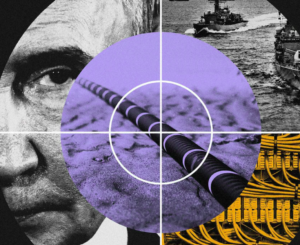
Please find more details below:
Exclusive: Putin sends fishing trawlers to spy on Britain
https://www.telegraph.co.uk/news/2026/10/21/exclusive-putin-sends-fishing-trawlers-to-spy-on-britain/
Image credit: The Telegraph.